Source eco friendly cork sole hotel slippers for Spa, Hotel Room, Travel
Find 30 listings for eco friendly cork sole hotel slippers designed for spa, hotel room, and travel use. Buyers can compare cotton and nonwoven materials, closed and open toe styles, and customization options from Chinese manufacturers.
Key considerations
Products List






Comprehensive Sourcing Guide
Strategic Sourcing Guide for Eco-Friendly Cork Sole Hotel Slippers
Procuring eco-friendly cork sole hotel slippers requires a nuanced understanding of material composition, manufacturing standards, and the specific operational needs of hospitality environments. The market offers a diverse array of options ranging from simple disposable cotton pairs to more complex, multi-material constructions. Buyers must navigate a landscape where "eco-friendly" is often a marketing descriptor that requires verification against tangible product attributes. This guide provides a disciplined framework for evaluating suppliers, interpreting technical specifications, and ensuring that the selected footwear meets both sustainability goals and the rigorous demands of hotel operations.
Understanding Material Composition and Construction
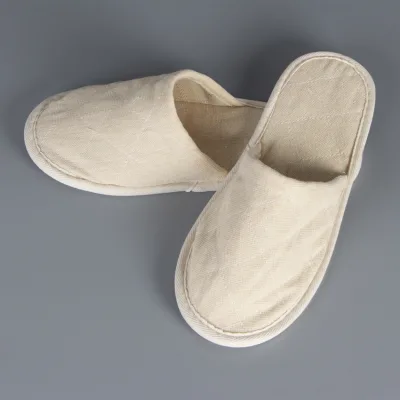
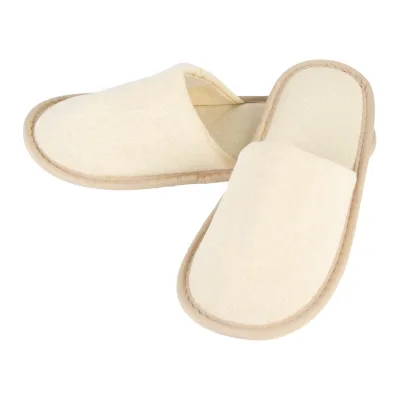
The core of any eco-friendly slipper lies in its material composition. In the context of hotel procurement, the upper material and the sole material are the primary determinants of comfort, durability, and environmental impact. Based on available product data, the upper materials vary significantly across different models. Common observations include cotton fabric, cotton canvas fabric, cotton velour, and nonwoven materials. Some listings specify white cotton fabric or cotton velour, while others indicate a broader range of custom materials such as jute, coconut fiber, cork wood, or bamboo fiber.
The sole material is particularly critical for the "cork sole" keyword. While some products feature a closed toe with an anti-slip sole made of EVA or sugarcane, the specific demand for cork soles points to a distinct category of slippers. The data indicates that cork is used both as a primary sole material and as a component within custom material blends. A product with a cork sole often pairs with an upper made of cotton canvas or nonwoven fabric to balance breathability with structural integrity. It is essential to distinguish between slippers that are purely disposable and those designed for a slightly longer lifespan within a single stay. The "Hand Made" attribute observed in several listings suggests a labor-intensive production process that may impact consistency and cost. Buyers should verify whether the cork sole is a solid piece or a composite layer, as this affects the slipper's ability to provide the necessary cushioning and anti-slip properties required in wet hotel environments like bathrooms and pool areas.
Technical Specifications and Product Variations
Technical specifications define the functional boundaries of the product. When sourcing eco-friendly slippers, the size and fit are paramount. The data reveals a range of sizing options, including specific mentions of "Medium" and "Large" sizes, as well as "Single Pair" and "Set of Size: Large" configurations. The standard specification often cited is 29*11cm, which serves as a baseline for the physical dimensions of the product. However, buyers must be aware that "Standard specifications or customized" is also a common attribute, indicating that suppliers may offer flexibility in sizing to accommodate different demographics or specific hotel branding needs.
The design and style attributes further segment the market. Options include "Embroidered" designs, "Plain" designs, and variations in toe style such as "Closed Toe," "Open Toe," and "Flip Flop." The "Eco-Friendly Slippers" category often encompasses a mix of these styles, with some models featuring a "Soft and Comfortable" hand feeling. The "Disposable" attribute is a critical differentiator; while many hotel slippers are designed for single-use to ensure hygiene, the "Hand Made" and "Cork" combinations suggest a potential for higher perceived value or a semi-disposable nature. The "Season" attribute, typically listed as "Spring / Autumn," implies that these slippers are optimized for moderate temperatures, which is a common scenario in hotel lobbies and rooms. Buyers must ensure that the specific model selected aligns with the climate and usage patterns of their specific properties.
Compliance, Certification, and Environmental Claims
The term "eco-friendly" carries significant weight in modern procurement, yet it requires rigorous verification. While the product data lists "Eco-Friendly Slippers" as a product name and "Sugarcane Sole" or "Cork" as materials, it does not provide specific certification status or test results. Buyers must not assume that a product is certified simply because it uses natural materials. The absence of specific certification data in the provided context means that procurement teams must actively request documentation regarding the sourcing of the cork, the treatment of the cotton or nonwoven fabrics, and the manufacturing processes used.
Verification should focus on the supply chain transparency. For instance, if a supplier claims the use of "Jute/Coconut Fiber/Cork Wood/Bamboo Fiber," the buyer should inquire about the origin of these materials and whether they are sourced from sustainable forests or agricultural byproducts. The "Standard specifications or customized" attribute suggests that environmental claims might vary based on the customization level. A buyer should verify if the supplier adheres to any recognized international standards for sustainable textiles or footwear, even if not explicitly listed in the initial product description. The "Customization: Available" attribute offers an opportunity to mandate specific eco-standards, such as the use of water-based dyes or biodegradable packaging, as part of the contract. Without explicit test data or certification numbers in the source material, the burden of proof lies with the supplier to demonstrate compliance through third-party audits or material safety data sheets.
Cost Drivers and Pricing Dynamics
The pricing of eco-friendly hotel slippers is influenced by several factors, including material costs, labor intensity, and customization requirements. The observed price range in the market is between 0.1 and 1.3 USD per unit. This wide range reflects the diversity in quality and complexity. Lower-priced items likely correspond to simple nonwoven or basic cotton constructions with standard packaging. Higher-priced items within this range may involve hand-made cork soles, embroidered designs, or custom material blends like bamboo fiber.
The Minimum Order Quantity (MOQ) is another significant cost driver. The observed MOQ range is between 500 and 5000 units. For smaller hotels or those testing new suppliers, the lower end of this range may be accessible, but larger chains will likely negotiate based on volume. The "Cartons" or "Standard Packaging or Customized" attribute indicates that packaging costs can vary. Customized packaging, which often includes branding or specific eco-friendly materials, will increase the unit cost. Additionally, the "Hand Made" attribute suggests a higher labor cost component compared to fully automated production lines. Buyers should analyze the total landed cost, including shipping and potential tariffs, rather than focusing solely on the unit price. The "Custom Material" options, such as cork or jute, may also introduce volatility in pricing due to fluctuations in raw material availability.
Typical Applications and Usage Scenarios
The intended usage of these slippers dictates the required performance characteristics. The data explicitly lists "Spa," "Hotel Room," "Travel," "Indoor," and "Home" as usage scenarios. The "Hotel" use case is the most prominent, requiring slippers that are hygienic, comfortable, and aesthetically pleasing. The "Anti-slip Sole" attribute is crucial for safety in wet areas such as bathrooms and pool decks. While some models feature an "EVA Sole" or "Sugarcane Sole," the cork sole variant must also demonstrate adequate slip resistance to prevent accidents.
The "Disposable" attribute is particularly relevant for high-turnover environments where hygiene is a primary concern. However, the presence of "Hand Made" and "Cork" elements suggests a product that might be positioned as a premium amenity rather than a purely disposable item. In spa settings, the "Soft and Comfortable" hand feeling and the natural properties of cork can enhance the guest experience. The "Unisex" gender attribute ensures that the slippers can be used by all guests without the need for separate inventory for men and women, simplifying logistics. The "Travel" usage indicates that the slippers should be lightweight and compact, fitting easily into luggage or travel kits. Buyers should match the specific model features, such as the "Closed Toe" or "Open Toe" design, to the specific areas of the hotel where they will be deployed.
Supplier Evaluation and Quality Control
Evaluating suppliers for eco-friendly slippers requires a multi-faceted approach. The "Location" attribute indicates that many suppliers are based in China, with specific mentions of "Yangzhou, China" as an origin point. This concentration suggests a specialized manufacturing hub for this type of product. Buyers should verify the supplier's capacity to handle the "Customization: Available" requests, including logo customization and specific material sourcing. The "Logo Custom: Accept" attribute confirms that branding is a standard service, but the quality of the embroidery or printing must be assessed.
Quality control is essential to ensure consistency, especially given the "Hand Made" nature of some products. Variations in stitching, sole attachment, and material thickness are potential risks. Buyers should request samples to test the "Anti-slip Sole" performance and the durability of the "Cotton Fabric" or "Nonwoven" upper. The "Standard specifications or customized" attribute implies that quality benchmarks may vary, so establishing a clear quality agreement is necessary. Inspections should focus on the structural integrity of the cork sole and the comfort of the upper material. Additionally, verifying the "Packing" method, whether "Cartons" or "Standard Packaging," is vital to prevent damage during transit. A robust quality control plan should include pre-production sample approval, in-process inspections, and final random sampling before shipment.
Long-Term Procurement Considerations
Sourcing eco-friendly slippers is not just a one-time transaction but a long-term partnership that impacts brand reputation and operational efficiency. The "Customization: Available" and "Logo Custom: Accept" attributes offer opportunities to build a unique brand identity for the hotel. However, maintaining consistency in material quality and design over time is crucial. Buyers should consider the scalability of the supplier's production capabilities to meet fluctuating demand. The "Season: Spring / Autumn" attribute suggests that inventory planning should account for seasonal variations in usage, although the "Indoor" usage implies year-round potential.
Sustainability is a long-term consideration. As regulations and guest expectations evolve, the definition of "eco-friendly" may become stricter. Buyers should engage with suppliers who are transparent about their supply chain and willing to adapt to new environmental standards. The "Custom Material" options provide flexibility to incorporate emerging sustainable materials as they become available. Finally, the "Disposable" nature of the product means that waste management is a factor. Buyers should inquire about the biodegradability of the materials and the recyclability of the packaging to ensure that the end-of-life disposal aligns with the hotel's sustainability goals. By focusing on these long-term factors, buyers can secure a reliable supply of high-quality, eco-friendly slippers that enhance the guest experience while supporting environmental stewardship.
FAQs
What materials are used for the upper and sole?
The upper is typically made of cotton fabric, cotton canvas, or nonwoven material. The sole can be cork, sugarcane, or EVA, with some options featuring custom blends like jute or bamboo fiber for enhanced eco-friendly properties.
Can these slippers be customized with a logo?
Yes, logo customization is accepted for many models. Buyers can request specific embroidery or printing on the cotton or nonwoven upper, provided the order meets the minimum quantity requirements of 500 units.
What is the minimum order quantity for these slippers?
The minimum order quantity ranges from 500 to 5000 units depending on the supplier and specific customization needs. Lower MOQs may apply to standard cotton or nonwoven models, while complex cork sole designs might require higher volumes.
Are these slippers suitable for hotel spa environments?
Yes, they are designed for use in hotel rooms, spas, and indoor travel settings. Features like anti-slip soles and soft, comfortable hand feel make them ideal for wet areas and guest relaxation zones.
What are the standard packaging options available?
Standard packaging usually involves cartons, but customized packaging is also available. Buyers can choose between standard carton packing or tailored solutions that align with specific branding or sustainability goals.
Where are these slippers typically manufactured?
These slippers are primarily manufactured in China, with specific production hubs noted in Yangzhou. Suppliers in this region offer various customization options and can handle both single pair and bulk order requirements.
Do these slippers come in different sizes?
Yes, sizes include Medium and Large, with some listings specifying a standard dimension of 29 by 11 cm. Custom sizing is often available to meet specific hotel demographic needs or branding requirements.